healthy living banner

.

Showing posts with label Stress. Show all posts

Tuesday, 29 April 2014

Health Benefits of Potassium

The health benefits of potassium include relief from stroke, blood pressure, heart and kidney disorders, anxiety and stress, as well as enhanced muscle strength, metabolism, water balance, electrolytic functions, and nervous system.
Potassium, the third most abundant mineral in human body, is a powerful element in improving health. It contains the components for maintaining a high level of well-being and an improved lifestyle. You should not underestimate the importance of potassium in your dietary plan.
Apart from acting as an electrolyte, this mineral is required for keeping the heart, brain, kidney, muscle tissue and other important organ systems of the human body in good condition. Potassium chloride is the main variety of this mineral, and it works in association with sodium to perform a number of critical body tasks.

Deficiency Symptoms

Deficiency of any nutrient in the body is undesirable and potassium is not an exception. A diet deficient in potassium may lead to symptoms like fatigue and muscle weakness. Other indications for a deficiency of potassium include inactive reflexes, abnormal heartbeat, heart palpitations, anaemia and severe headaches. Potassium-deficient people may also experience high blood pressure, pain in their intestines, swelling in their glands and diabetes as serious side effects of this deficiency.
Important Sources of Potassium
A balanced diet must contain a fair quantity of potassium, as per the recommendations of health experts. The most important dietary sources of potassium are citrus fruits, vegetables and grains. Also, you can get an ample amount of potassium from salmon, chicken, whole milk, fresh fruit juices and almonds. Apart from those, nuts, lime beans, potatoes and poultry are other products to be included in the potassium boosting list. However, the most important sources of potassium are avocados, bananas and coconut water.

Health Benefits of Potassium

Potassium is often considered an essential health nutrient, due to its numerous health benefits.
Stroke: Potassium plays an important role in keeping brain function at a normal level. High levels of potassium allow more oxygen to reach the brain, thereby stimulating neural activity and increasing cognitive function. There is a good reason why people call bananas brain food; they contain impressively high levels of potassium!
It is of great importance in preventing the occurrence of stroke in the human brain. It is not secret that people at high risk for this tragic condition are often found to be deficient in this essential nutrient.Since potassium acts as a vasodilator, the blood vessels relax throughout the body when proper amounts of potassium are consumed. This means that blood flows more freely, and is less likely to clot and break off to cause strokes.
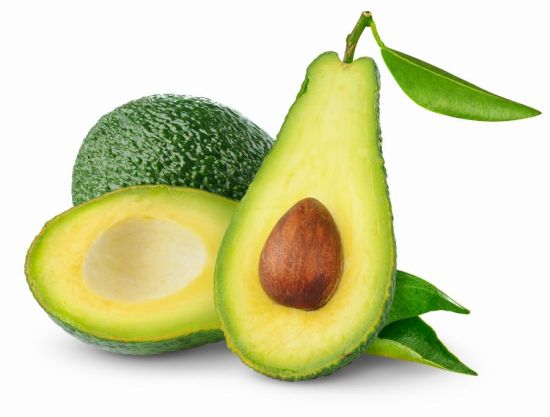
Avocado

Low blood sugar: A decrease in the potassium level causes a drop in blood sugar. Decreases in blood sugar can cause sweating, headache, weakness, trembling and nervousness. An intake of potassium chloride and sodium provides immediate relief from such situations. This is also why diabetic patients are encouraged to keep their potassium levels normal, to reduce the chances of unpredictable spikes and plunges in their glucose and insulin levels by stabilizing the blood sugar levels throughout the body.
Muscle disorders: Potassium plays an important role in regular muscle contraction. A sufficient concentration of potassium is required for the regular contraction and relaxation muscles. Most of the potassium ions in the human body are located in the muscle cells. It maintains optimal muscle and nerve function, and helps to keep our reflexes fast because it stimulates the neural connectivity of muscles and the brain!
Cramps: Muscle cramps are a common result of low levels of potassium in the blood, a condition called hypokalemia. If you consume a banana every day, you can easily prevent muscle cramps because bananas have a rich potassium content, not to mention all of the other benefits of bananas!
Bone Health: The benefits of potassium even extend to improving the health of your bones. There are certain qualities of potassium which neutralize various acids throughout the body which retain and preserve calcium, making it inaccessible to use for bone strength and durability. Furthermore, a study at the Linus Pauling Institute Micronutrient Information Center claims that eating fruits and vegetables that have high levels of potassium results in higher mineral density in bones, further strengthening and prolonging the life of your bones!
Brain function: Potassium channels play a key role in maintaining the electrical conductivity of the brain and dramatically affect brain funtion. It is also involved in higher brain function like memory and learning. In addition to this, serious ailments like epilepsy are related to the dysfunction of potassium channels that can occur through potassium deficiency.  There are actually potassium currents that play a major role in mammalian neurones. These channels are interconnected with a vast array of neural function and can help moderate and regulate electrical currents throughout the body!
Blood Pressure: Potassium is helpful in reversing the role of sodium in unbalancing normal blood pressure. Thus, it acts as a vital component that maintains the normality of blood pressure in the human body. This further reduces the risk of heart diseases and hypertension. Regulation of blood pressure is one of the most important functions of this powerful mineral. As mentioned earlier, potassium has vasodilating properties that work to relieve the tension of blood vessels, which is one of the main causes of high blood pressure.
Muscular Strength:  One of the most useful benefits of potassium is its role in ensuring the proper growth of muscle tissues and the proper utilization of energy released during metabolism, which adds significantly to muscular strength. The muscles, including those all-important cardiac muscles, are prone to paralysis due to a deficiency of potassium in a person’s diet.
Stimulating cell growth and providing the metabolic energy to do so is a vital function of potassium, and muscular health would be compromised without it. Also, without the contractions and relaxations that potassium allows muscles to perform, exercise and additional muscle training would be impossible!
potassium
Metabolism: Potassium assists in the metabolic processing of various nutrients like fats and carbohydrates. Thus, potassium is of great value in extracting the energy from nutrients that are consumed. Studies have shown that potassium is also integral in the synthesis of proteins, which have an impact of tissue regeneration, cell growth, and an overall balanced metabolism.
Anxiety and Stress:Potassium is of great importance for people suffering from undesirable mental states like anxiety and stress. It is considered as a powerful stress buster and therefore ensures the efficient mental performance of the human body. Anxiety and stress are so detrimental to other parts of health that any bonus from things like potassium are considered a very good idea if you suffer from chronic stress. Potassium can help regulate various hormones in your body, including stress hormones like cortisol and adrenaline, excess amounts of which can be quite detrimental to a wide array of the body’s systems.
Heart and Kidney Disorders: The health benefits of potassium ensure good health for the heart as well as the kydneys. It plays an irreplaceable role in regulating the functions of the metabolism and keeping the heart and kidneys running smoothly. Additionally, this mineral assists kidneys in removing waste through the process of excretion. However, it is strongly advised to consult your doctor to get recommendations about potassium dosage, because potassium can help stimulate the body to absorb more calcium than necessary, which can actually calcify and cause kidney problems, rather than solve them.
Water Balance: Another significant role that potassium plays is in the maintenance of an optimal fluid balance in the human body. Different types of cells require a proper water balance for efficient functioning and potassium aids these cells in regulating the balance. Fluid balance keeps all of our organ systems functioning in one way or the other, which is why many people recommend eating bananas after athletic events, or after a heavy night of drinking, in order to rehydrate and optimize fluid balance.
Electrolytes: Potassium is also a great electrolyte in the human body. It helps in regulating the level of fluids in the body and thus aids in a number of critical body functions. Furthermore, electrolytes help to transmit electrical charges throughout the body from the brain and nervous system, so extra electrolytes keep everything functioning faster and more efficiently in the body!
Nervous System: In connection to the previous point about electrolytes, potassium helps to boost the efficiency of nerve reflexes that transmit message from one body part to another. This in turn helps in muscle contraction to perform various activities every day without tiring quickly, which are further benefited by potassium, which is required to induce muscle contraction and function.
A Few Words of Caution: It is definitely possible to have too much of a good thing. Excess potassium in the body, for example, from patients with kidney issues that cannot properly process potassium, may have dangerously high levels. This can lead to heart disease, muscle paralysis, trouble breathing, tingling in the hands and feet, heart arrhythmia, and nausea. Potassium can be a miraculous addition to certain diets, but always be careful that you don’t overdo, and if you choose to take potassium supplements on top of a change to your diet, consult your doctor first!

Monday, 10 March 2014

How to Heal a Cold Sore Quickly

Abstract: A number of home remedies to get rid of cold sores using household herbs.
"Applying ice as soon as you feel that first tingle or itch will greatly reduce or delay the cold sore."
Detail: Cold sores are caused by the herpes simplex virus. The first infection may have the symptoms of swollen glands, a general feeling of being unwell and painful mouth ulcers.
Subsequent attacks occur mostly when the person is run down and they start with a tingling and itch on an area around the lips and nostrils, then tiny blisters appear. These blister break and weep. They then crust over and gradually disappear. Scratching will spread the virus and it can lead to a bacterial infection. The virus lives permanently in the nerve endings of many adults and children.Cold sores or Lip Herpes are contagious and care should be taken not to spread them to other parts of the body or to other people.
There are several cold sores home remedies that are known to be effective. Individuals who are prone to having cold sores should benefit from these natural cures. Treating cold sores should be taken seriously because they can cause a great deal of pain and discomfort.
The following may activate the virus:
Poor diet (even if only in the short term), dietary triggers such as chocolate and peanuts, mental or physical stress and fatigue, rubbing or chafing of the skin, illness, menstruation, depleted immunity or being 'run down'.
What you can do to treat cold sores
Knowing how to heal a cold sore quickly could be critically important if you have an important event in the near future.
There is no good time to have a cold sore. But why do cold sores always seem to happen at the very worst possible time?
Most often, cold sores occur because of physical or mental stress. Anxiety about an upcoming wedding, job interview, or other special event in your life will create stress. This stress will affect your pH balance, your hormones, and your immune system. Quite often illnesses such as cold and flu will also trigger a cold sore.
The herpes virus has an early warning system because it lives in your nerve cells. It can sense the slightest change in your temperature, stress levels, immune strength, and pH balance. When the conditions are favorable, the virus will head to the surface along your nerve fibers. Once at the surface, it will create new virus through its replication procedure thus producing the cold sore blister.
Your body knows how to heal a cold sore and will do so without any additional help or expensive cold sore treatment. Provided you do not get a secondary bacterial infection, the duration of your cold sore could be three to four weeks. If you are like me, you do not want to suffer that long. The quicker you heal your cold sore, the sooner you can get on with your life.
The cold sore virus needs three things to successfully replicate.
1. The virus needs plenty of arginine in the cell.
Arginine is a protein that is a critical building block for creating new herpes viruses. Lysine, another protein, has proven helpful in healing and preventing cold sores. Lysine does this by replacing some of the arginine in the cells, thus reducing or preventing the cells ability to create clones of the virus.
Basically, if the herpes virus gets to the surface and cannot find enough arginine in the cells, it often retreats. Many folks eat high lysine foods prior to or during a cold sore event, and avoid high arginine foods. For many folks, healing cold sores fast has been as simple as taking 1,000 milligrams to 3,000 milligrams of lysine in capsule supplements during an outbreak.
High lysine foods to eat are most meats and dairy products. Cheese, milk and yogurt are excellent. High arginine foods to avoid would be nuts, seeds, grains, and chocolate. You need to find your own personal balance here for healing cold sores.
2. The cold sore virus also needs a warm, moist environment.
Applying ice as soon as you feel that first tingle or itch will greatly reduce or delay the cold sore. Delaying the cold sore just a few days can get you through that important event. Any cold object will do - such as a can of Coke. The quicker, the better.
3. The herpes virus prefers an acid environment.
When in tip-top health, your pH balance should be around 7.4, which is slightly alkaline. When it drops below 7 on the pH scale, then your system is turning acid. Any stress, flu, colds, or too much sun will cause your body to move toward the acid side of normal. Avoid eating acid foods, such as tomatoes, citrus, carbonated soda or anything with vinegar if it will touch the cold sore area. You want nothing acid around that sore. Following this rule alone for healing a cold sore, along with continual cleaning of the wound with alcohol or hydrogen peroxide, could cut your cold sore healing duration by 50%.
When treating cold sores it is important to boost the immune system - thus assisting the body to combat the virus.
  • Cleanse your body of toxins so that the immune system is able to function at its best.
  • Make sure that you eat a diet with plenty of fresh fruit and vegetables including broccoli, cauliflower, cabbage, brussel sprouts and kohlrabi, garlic and onion, chili, ginger, sprouted seeds and beans and use cold pressed seed and vegetable oils. These all assist the immune system.
  • Have plenty of garlic or use a garlic supplement or other natural antibiotic such as olive leaf extract or grapefruit seed extract.
  • Take vitamin C (specifically calcium ascorbate - this is a non-acidifying vitamin C).
  • Take a good multivitamin and mineral supplement.
  • Manage your stress levels. Progressive relaxation and creative visualisation will be of assistance with stress anxiety or depression. There are also many herbal remedies that you can use to deal with stress.
  • Direct application of lemon balm or extract is also one of the cold sores home remedies. Lemon balm or extract is effective in reducing the symptoms associated with these. Furthermore, lemon extract has properties that are known to help increase the healing process of blistered skin.
  • Salt can also relieve and treat cold sores. Using your slightly moistened index finger, apply common fine salt directly on the cold sores by gently pressing on them for about 30 seconds. Pressing the fine salt on the affected area can help you treat the blisters more effectively. To achieve faster relief, follow up this procedure with application of aloe vera or any topical oil directly over the area.
  • One of the commonly used cold sores home remedies is ice. Application is simple. Apply ice along the affected area. Treat them by slowly rubbing the ice for a few minutes to the infected area of the skin. Repeat application every hour.
The following herbs will support your immune system and should be taken in conjunction with the recommendations above:
echibacea, golden seal, cleavers, plantain, bayberry, burdock, huang qi, nettle, wormwood, calendula, myrrh, poke root, dandelion root, licorice
The following herbal formula will be most useful:
  • 2 parts cleavers
  • 2 parts echinacea
  • 1 part oats
  • 1 part poke root
Combine all the ingredients. Take 1 teaspoon of the herb blend and place into a suitable sized saucepan and add one cup of boiling water. Allow this to stand for 10-15 minutes. Strain out the herbs. Drink 1 cup of this tea twice per day.
The following can also be applied externally:
A lotion of echinacea with or without myrrh.
You can also try melissa oil, lavender oil, calendula tincture, myrrh tincture, and golden seal tincture.
Another choice for cold sores home remedies are tea bags. Simply apply the tea bag on blistered skin within several minutes. Repeat after one hour. Doing this on an hourly basis maximizes its effect. Modify this method by gently pressing the warm bag over the affected area or blisters for about half an hour.
Cold sores are an infection of the herpes simplex virus. They are an indication that the immune system is not functioning as effectively as it could. These are many things that you can do to deal with cold sores but the most important are to cleanse the body of toxins and boost immunity.

Friday, 7 February 2014

Go walnuts – 13 health benefits of this awesome nut!


health benefits of walnuts


Makes your skin glow

Walnuts are rich in B-vitamins and antioxidants which prevents your skin from free radical damage and prevents wrinkles and signs of ageing. So if you want glowing skin long into your middle-age, eat walnuts. Besides walnuts, you can also eat these fruits and vegetables for glowing skin.

Can keep dementia at bay

Eating walnuts everyday can help ward off dementia, say scientists. In the study, Dr. Abha Chauhan and his team from the New York State Institute found that mice deprived of walnuts suffered a dramatic loss in learning, memory and physical and emotional control. According to the results, vitamin E and flavanoids in walnuts helped destroy harmful free radical chemicals that cause dementia.

Prevents pancreatic cancer

A new study has found that consumption of nuts, including walnuts, is inversely associated with risk of pancreatic cancer, independent of other potential risk factors for pancreatic cancer. Researchers looked at the association between nut consumption and risk of pancreatic cancer among 75,680 women in the Nurses’ Health Study, with no previous history of cancer. It was observed that the women who consumed a one-ounce serving of nuts two or more times per week had a significantly reduced risk of pancreatic cancer compared to those who largely abstained from nuts.

Helps you live longer

Eating a handful of walnuts just thrice a week is the key to a longer life, a study has found. Scientists discovered that these edible seeds cut the risk of dying from cancer by 40 per cent and from cardiovascular disease by at least 55 per cent. In general, nut eaters in the research had a 39 per cent lesser risk of death and walnut eaters in particular a 45 per cent reduced threat. Researchers have also found that eating a polyphenol rich diet can help you live longer.

Great for pregnant women

Mothers-to-be who eat a diet rich in fatty acids such as those found in walnuts can reduce the baby’s chances of developing food allergies, researchers say. The research found that if a mother’s diet contains a certain group of polyunsaturated fatty acids (PUFAs), the baby”s gut develops differently. The PUFAs are thought to improve how gut immune cells respond to bacteria and foreign substances, making the baby less likely to suffer from allergies. 

Lowers breast cancer risk

The researchers at the Marshall University found that a daily dose of walnuts – equal to 2 ounces a day in humans – reduces the growth of breast cancer tumors in mice. Lead researcher Elaine Hardman, Ph.D., of Marshall’s Joan C. Edwards School of Medicine, and colleagues studied the mice from the mother, through conception and throughout life. They then compared mice given walnuts to those fed a regular diet. The research found that the group whose diet included walnut at both stages developed breast cancer at less than half the rate of the group with the typical diet.  In addition, the number of tumors and their sizes were significantly smaller.

Can fight stress

If daily stress is taking a toll on your health, it’s time to eat walnuts, as they help fight stress, according to a study. The researchers found that including walnuts and walnut oil in the diet lowered both resting blood pressure and blood pressure responses to stress in the laboratory. Walnuts are a rich source of fibre, antioxidants, and unsaturated fatty acids, particularly alpha linolenic acid, an omega-3 fatty acid. These are the nutrients that give walnuts it’s stress fighting properties. Besides walnuts, these natural remedies too can help keep stress at bay.

Friday, 20 December 2013

What the Science Says About Intermittent Fasting

By Dr. Mercola
Is it a good idea to “starve” yourself just a little bit each day, or a couple of days a week? Mounting evidence indicates that yes ,intermittent fasting (IF) could have a very beneficial impact on your health and longevity.
I believe it’s one of the most powerful interventions out there if you’re struggling with your weight and related health issues. One of the primary reasons for this is because it helps shift your body from burning sugar/carbs to burning fat as its primary fuel.
As discussed in the featured article,1 intermittent fasting is not about binge eating followed by starvation, or any other extreme form of dieting. Rather what we’re talking about here involves timing your meals to allow for regular periods of fasting.
I prefer daily intermittent fasting, but you could also fast a couple of days a week if you prefer, or every other day. There are many different variations.
To be effective, in the case of daily intermittent fasting, the length of your fast must be at least 16 hours. This means eating only between the hours of 11am until 7pm, as an example. Essentially, this equates to simply skipping breakfast, and making lunch your first meal of the day instead.
You can restrict it even further — down to six, four, or even two hours if you want, but you can still reap many of these rewards by limiting your eating to an eight-hour window each day. 


This is because it takes about six to eight hours for your body to metabolize your glycogen stores; after that you start to shift to burning fat. However, if you are replenishing your glycogen by eating every eight hours (or sooner), you make it far more difficult for your body to use your fat stores as fuel.

Intermittent Fasting — More a Lifestyle Than a Diet

I have been experimenting with different types of scheduled eating for the past two years and currently restrict my eating to a 6- to 7-hour window each day. While you’re not required to restrict the amount of food you eat when on this type of daily scheduled eating plan, I would caution against versions of intermittent fasting that gives you free reign to eat all the junk food you want when not fasting, as this seems awfully counterproductive.
Also, according to research published in 2010,2 intermittent fasting with compensatory overeating did not improve survival rates nor delay prostate tumor growth in mice. Essentially, by gorging on non-fasting days, the health benefits of fasting can easily be lost. If so, then what’s the point?
I view intermittent fasting as a lifestyle, not a diet, and that includes making healthy food choices whenever you do eat. Also, proper nutrition becomes even more important when fasting, so you really want to address your food choices beforeyou try fasting.
This includes minimizing carbs and replacing them with healthful fats, like coconut oil, olive oil, olives, butter, eggs, avocados, and nuts. It typically takes several weeks to shift to fat burning mode, but once you do, your cravings for unhealthy foods and carbs will automatically disappear. This is because you’re now actually able to burn your stored fat and don’t have to rely on new fast-burning carbs for fuel. Unfortunately, despite mounting evidence, many health practitioners are still reluctant to prescribe fasting to their patients. According to Brad Pilon, author of Eat Stop Eat:3
“Health care practitioners across the board are so afraid to recommend eating less because of the stigma involved in that recommendation, but we are more than happy to recommend that someone start going to the gym. If all I said was you need to get to the gym and start eating healthier, no one would have a problem with it. When the message is not only should you eat less, you could probably go without eating for 24 hours once or twice a week, suddenly it’s heresy.”

The Health Benefits of Intermittent Fasting

Aside from removing your cravings for sugar and snack foods and turning you into an efficient fat-burning machine, thereby making it far easier to maintain a healthy body weight, modern science has confirmed there are many other good reasons to fast intermittently. For example, research presented at the 2011 annual scientific sessions of the American College of Cardiology in New Orleans4 showed that fasting triggered a 1,300 percent rise of human growth hormone (HGH) in women, and an astounding 2,000 percent in men.
HGH, human growth hormone, commonly referred to as "the fitness hormone," plays an important role in maintaining health, fitness and longevity, including promotion of muscle growth, and boosting fat loss by revving up your metabolism. The fact that it helps build muscle while simultaneously promoting fat loss explains why HGH helps you lose weight without sacrificing muscle mass, and why even athletes can benefit from the practice (as long as they don't overtrain and are careful about their nutrition). The only other thing that can compete in terms of dramatically boosting HGH levels is high-intensity interval training. Other health benefits of intermittent fasting include:
Normalizing your insulin and leptin sensitivity, which is key for optimal healthImproving biomarkers of disease
Normalizing ghrelin levels, also known as "the hunger hormone"Reducing inflammation and lessening free radical damage
Lowering triglyceride levelsPreserving memory functioning and learning

Intermittent Fasting Is as Good or Better Than Continuous Calorie Restriction

According to Dr. Stephen Freedland, associate professor of urology and pathology at the Duke University Medical Center, “undernutrition without malnutrition” is the only experimental approach that consistently improves survival in animals with cancer, as well as extends lifespan overall by as much as 30 percent.5 Interestingly enough, intermittent fasting appears to provide nearly identical health benefits without being as difficult to implement and maintain. It’s easier for most people to simply restrict their eating to a narrow window of time each day, opposed to dramatically decreasing their overall daily calorie intake.
Mark Mattson, senior investigator for the National Institute on Aging, which is part of the US National Institutes of Health (NIH), has researched the health benefits of intermittent fasting, as well as the benefits of calorie restriction. According to Mattson,6 there are several theories to explain why fasting works:
"The one that we've studied a lot, and designed experiments to test, is the hypothesis that during the fasting period, cells are under a mild stress, and they respond to the stress adaptively by enhancing their ability to cope with stress and, maybe, to resist disease... There is considerable similarity between how cells respond to the stress of exercise and how cells respond to intermittent fasting.”
In one of his studies,7 overweight adults with moderate asthma lost eight percent of their body weight by cutting their calorie intake by 80 percent on alternate days for eight weeks. Markers of oxidative stress and inflammation also decreased, and asthma-related symptoms improved, along with several quality-of-life indicators.
More recently, Mattson and colleagues compared the effectiveness of intermittent fasting against continuous calorie restriction for weight loss, insulin sensitivity and other metabolic disease risk markers. The study, published in the International Journal of Obesity in 2011,8 found that intermittent fasting was as effective as continuous calorie restriction for improving all of these issues, and slightly better for reducing insulin resistance. According to the authors:
“Both groups experienced comparable reductions in leptin, free androgen index, high-sensitivity C-reactive protein, total and LDL cholesterol, triglycerides, blood pressure and increases in sex hormone binding globulin, IGF binding proteins 1 and 2. Reductions in fasting insulin and insulin resistance were modest in both groups, but greater with IER [intermittent fasting] than with CER [continuous energy restriction].”

How Intermittent Fasting Benefits Your Brain

Your brain can also benefit from intermittent fasting. As reported in the featured article:
“Mattson has also researched the protective benefits of fasting to neurons. If you don't eat for 10–16 hours, your body will go to its fat stores for energy, and fatty acids called ketones will be released into the bloodstream. This has been shown to protect memory and learning functionality, says Mattson, as well as slow disease processes in the brain.”
Besides releasing ketones as a byproduct of burning fat, intermittent fasting also affects brain function by boosting production of a protein called brain-derived neurotrophic factor (BDNF). Mattson’s research suggests that fasting every other day (restricting your meal on fasting days to about 600 calories), tends to boost BDNF by anywhere from 50 to 400 percent,9 depending on the brain region. BDNF activates brain stem cells to convert into new neurons, and triggers numerous other chemicals that promote neural health. This protein also protects your brain cells from changes associated with Alzheimer’s and Parkinson’s disease.
BDNF also expresses itself in the neuro-muscular system where it protects neuro-motors from degradation. (The neuromotor is the most critical element in your muscle. Without the neuromotor, your muscle is like an engine without ignition. Neuro-motor degradation is part of the process that explains age-related muscle atrophy.) So BDNF is actively involved in both your musclesand your brain, and this cross-connection, if you will, appears to be a major part of the explanation for why a physical workout can have such a beneficial impact on your brain tissue — and why the combination of intemittent fasting with high intensity exercise appears to be a particularly potent combination.

Give Intermittent Fasting a Try

If you’re ready to give intermittent fasting a try, consider skipping breakfast, make sure you stop eating and drinking anything but water three hours before you go to sleep, and restrict your eating to an 8-hour (or less) time frame every day. In the 6-8 hours that you do eat, have healthy protein, minimize your carbs like pasta, bread, and potatoes and exchange them for healthful fats like butter, eggs, avocado, coconut oil, olive oil and nuts — essentially the very fats the media and “experts” tell you to avoid.
This will help shift you from carb burning to fat burning mode. Once your body has made this shift, it is nothing short of magical as your cravings for sweets, and food in general, rapidly normalizes and your desire for sweets and junk food radically decreases if not disappears entirely.
Remember it takes a few weeks, and you have to do it gradually, but once you succeed and switch to fat burning mode, you'll be easily able to fast for 18 hours and not feel hungry. The “hunger” most people feel is actually cravings for sugar, and these will disappear, as if by magic, once you successfully shift over to burning fat instead.
Another phenomenal side effect/benefit that occurs is that you will radically improve the beneficial bacteria in your gut. Supporting healthy gut bacteria, which actually outnumber your cells 10 to one, is one of the most important things you can do to improve your immune system so you won’t get sick, or get coughs, colds and flus. You will sleep better, have more energy, have increased mental clarity and concentrate better. Essentially every aspect of your health will improve as your gut flora becomes balanced.
Based on my own phenomenal experience with intermittent fasting, I believe it’s one of the most powerful ways to shift your body into fat burning mode and improve a wide variety of biomarkers for disease. The effects can be further magnified by exercising while in a fasted state. For more information on that, please see my previous article High-Intensity Interval Training and Intermittent Fasting - A Winning Combo.
Clearly, it’s another powerful tool in your box to help you and your family take control of your health, and an excellent way to take your fitness to the next level.

http://fitness.mercola.com/sites/fitness/archive/2013/06/28/intermittent-fasting-health-benefits.aspx

Monday, 25 November 2013

10 Health Benefits of Cranberries

Cranberries are small, red berries, and mainly grow in the cooler regions of the world such as Canada, the United States and Europe. They have a tart taste to them, but they are loaded with antioxidants and many essential nutrients. There are many Health Benefitsof cranberries, and you can make them a part of your daily diet by eating the whole berry, drinking the juice, or taking a supplement. Here are ten health benefits of cranberries.

Treats Urinary Tract Infections

Cranberry juice can help block urinary tract infections. It contains proanthocyanidins, which help to prevent E. coli bacteria from sticking to the walls of the uterus and bladder. One glass of juice a day is all you need to prevent and heal urinary tract infections.

Fights Cancers

Laboratory studies have shown that cranberry extracts can prevent breast cancer cells from multiplying. Other studies showed that cranberries helped to inhibit the development of cancerous cells in lab animals. Other cancers that may be prevented by using cranberries are colon, prostate and lung.

Fights Heart Disease

Cranberries are very good for the heart in several different ways. They help to lower the bad cholesterol levels which can clog the arterial walls. They also help to prevent plaque from forming on the arterial walls, which can lead to atherosclerosis, (the hardening of the arteries). As a result, your chances of a stroke are reduced, and if you have suffered from a stroke, cranberries can help you to recover from it.

Helps Kidney and Bladder Problems

Cranberries contain citric acid and other nutrients that can prevent kidney stones, and other kidney and bladder problems.

Prevents Dental Problems

Consuming cranberries on a regular basis can help you to avoid dental problems such as gingivitis, um disease, cavities and plaque build-up.

Promotes Weight Loss

Cranberries are high in antioxidants, which help to flush out your system. This in turn improves your metabolism and digestive system so that you can begin to lose weight quicker.

Anti-Aging Properties 

The antioxidants contained in cranberries will help your body to get rid of all the free radicals which contribute to the aging process. They will not only help your skin to look young, but your internal organs will also be able to function longer without problems.

Improves Mental Health

Cranberries can also help to lift your moods by relieving stress, anxiety and depression. Studies show that they are good for the brain and can help to improve your memory.

Strengthens the Immune System

The antioxidants work hard to flush out the harmful toxins which suppress the immune system. Once these are removed, your immune system will be strong so that you can ward off just about any sickness or disease.

Relieves Skin Conditions

Skin conditions such as acne, dermatitis, psoriasis and eczema can all be healed with the use of cranberries.
For optimum health benefits consume fresh cranberries and make your own juice at home with a juicer, or opt for unsweetened, 100 percent pure cranberry juice.